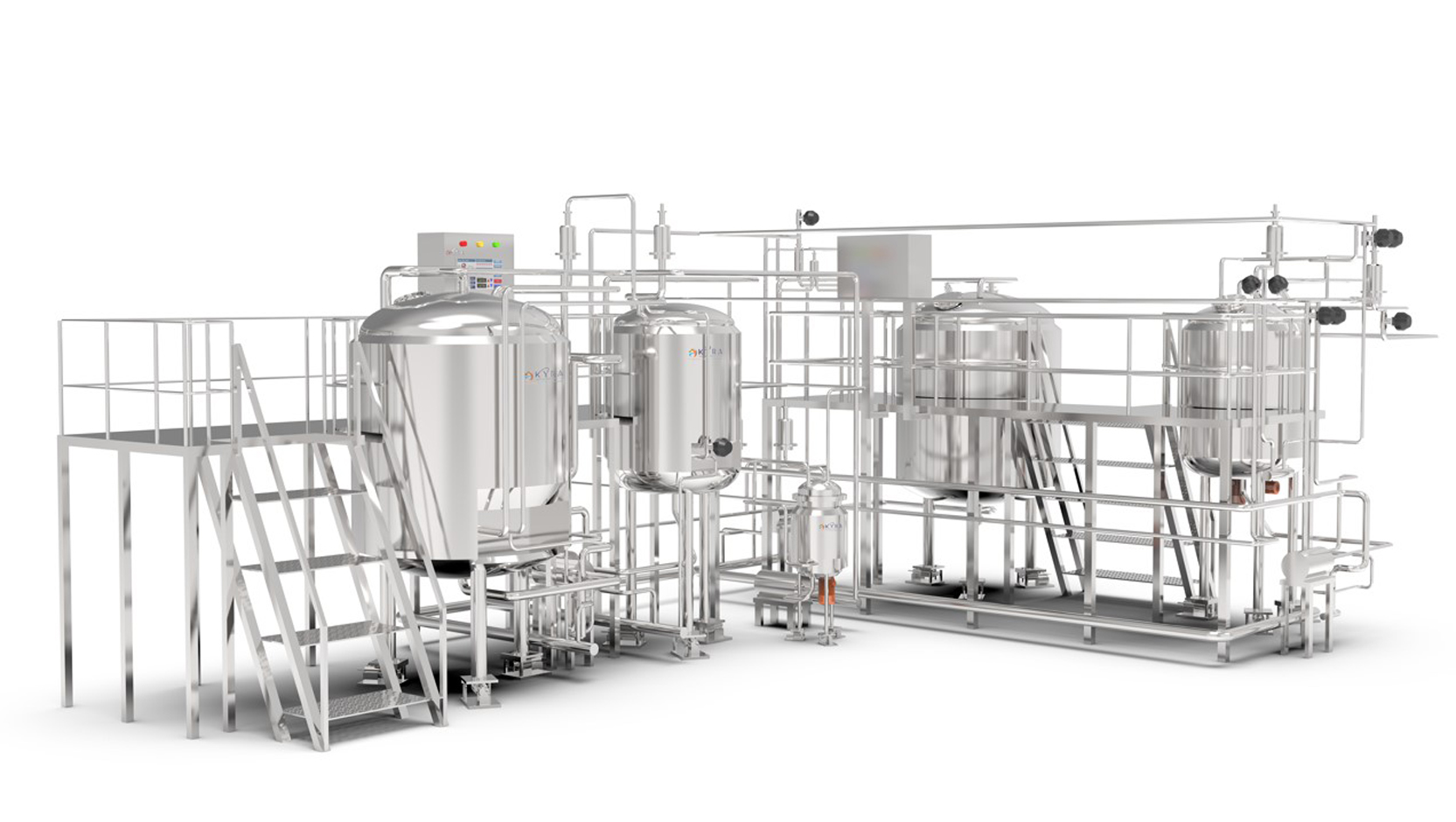
The Pharmaceutical Industry is facing a major transformation in 2026. With rapid advancements in technology, stricter regulatory structures, and increasing demand for high-quality products, manufacturers must stay informed and adaptable to remain competitive.
From automation and smart manufacturing to sustainable production practices, these trends are shaping the future of the pharmaceutical, biotech, biopharma, and cosmetics industries. For companies like Kyra International, a leading manufacturer, exporter & supplier in Mumbai, India, organizing with these advancements ensures effective production, regulatory compliance, and long-term growth.
In this blog, we’ll explore the most important pharmaceutical manufacturing trends in 2026, along with practical insights to help businesses stay ahead.
An Informative Guide for Pharma, Biotech & Cosmetics Industries
1. Smart Manufacturing & Digital Transformation
Digital technologies are revolutionizing pharmaceutical manufacturing processes. The integration of Industry 4.0 tools enables real-time monitoring, improved accuracy, and increased decision-making.
Key Features:
- IoT-enabled machinery for real-time data tracking
- AI-driven predictive maintenance
- Cloud-based production monitoring systems
- Digital twins for process reproduction
- Multi-level password protection
Smart systems are increasingly integrated into equipment like Sterile Injectable Vessels (Processing Skid), ensuring accuracy control over critical parameters such as temperature, pressure, and sterility.
Practical Insight:
Implementing digital monitoring systems can significantly reduce downtime and improve production effectiveness.
2. Shift toward Continuous Manufacturing
Continuous manufacturing is replacing traditional batch production due to its efficiency and scalability.
Benefits:
- Faster production cycles
- Reduced operational costs
- Consistent product quality
- Lower risk of pollutants
Systems such as CIP/SIP Skid Plants/Vessels play a crucial role in maintaining constant and hygienic production processes.
Industry Example:
Pharmaceutical companies adopting continuous manufacturing can respond quickly to market demand without compromising quality.
3. Growing Demand for Sterile & Hygienic Processing
Sterility remains a top priority, especially in injectable and biopharmaceutical products.
Key Requirements:
- Controlled cleanroom environments
- Advanced sterilization technologies
- Contamination-free processing equipment
Pharma sterile vessels are essential for ensuring product safety and meeting global compliance standards.
Why It Matters:
Strict regulatory guidelines require manufacturers to maintain high levels of sterility, making advanced equipment a necessity.
4. Increased Automation & Robotics
Automation is playing a critical role in improving accuracy and reducing human involvement in pharmaceutical manufacturing.
Applications:
- Automated manufacturing and filling systems
- Robotic material handling
- AI-based quality inspection
Equipment such as Liquid Oral Processing Plants and Cream/Gel/Lotion/Ointment Manufacturing Plants now come with automated controls for accurate formulation and consistency.
Benefit:
Automation increases productivity while ensuring standards with Good Manufacturing Practices (GMP).
5. Expansion of Biopharmaceutical Manufacturing
Biopharmaceuticals are gaining importance due to their effectiveness in treating complex diseases.
Key Drivers:
- Rising demand for biologics and biosimilars
- Growth in personalized medicine
- Increased R&D investments
- Production requires advanced equipment
- High-performance Homogenizers
- Efficient Mechanical Stirrers
Insight:
Flexible manufacturing systems are important to handle different batch sizes in biopharma production.
6. Growth in Cosmetic & Personal Care Manufacturing
The cosmetics industry is experiencing significant growth, especially with the rise of cosmeceuticals.
Trending Products:
- Anti-aging creams
- Skin care formulations
- Herbal and organic cosmetics
Equipment like Cosmetic Cream Manufacturing Plants and Colloidal Mills ensures smooth texture and stable formulations.
7. Focus on Sustainability & Green Manufacturing
Environmental sustainability is becoming a key priority in pharmaceutical manufacturing.
Sustainable Practices:
- Energy-efficient machinery
- Water recycling systems
- Reduction in chemical waste
- Eco-friendly raw materials
CIP/SIP systems help minimize water and chemical consumption while maintaining hygiene standards.
Practical Tip:
Adopting sustainable practices not only reduces environmental impact but also lowers operational costs.
8. Strict Regulatory Compliance
Regulatory requirements are becoming more complex and globally aligned.
Key Standards:
- Good Manufacturing Practices (GMP)
- FDA and EMA guidelines
- Real-time quality monitoring
Advanced equipment from trusted manufacturers like Kyra International ensures compliance with international standards.
Importance:
Compliance reduces the risk of reproduction and increases brand accuracy.
9. Modular & Customizable Manufacturing Systems
Customization is essential to meet diverse product requirements across industries.
Advantages:
- Flexible production capabilities
- Easy scalability
- Faster installation
- Less maintenance
For example, an oral liquid manufacturing plant can be customized for syrups, suspensions, and solutions. Also Cream Manufacturing plant for ointments/gels/cosmetics.
10. Advanced Mixing & Homogenization Technologies
Regularity and consistency are critical for product quality.
Equipment Used:
- High-shear Homogenizers
- Accurate Mechanical Stirrers
- Efficient Colloidal Mills
Benefits:
- Improved particle size distribution
- Increased product stability
- Better bioavailability
- Enhances texture
About Kyra International
We are a trusted name in pharmaceutical and cosmetic manufacturing equipment, known for delivering high-quality solutions.
Product Range:
- Sterile Injectable Vessels (Processing Skid)
- Liquid Oral Manufacturing Plant
- Cream/Gel/Lotion/Ointment Manufacturing Plant
- CIP/SIP Skid Plants/Vessels
- Colloidal Mill
- Homogenizer & Mechanical Stirrer
- Cosmetic Cream Manufacturing Plant
As a leading manufacturer, exporter & supplier in Mumbai, India, the company provides innovative solutions aligned with modern industry trends.
Key Takeaways
- Digital transformation is driving efficiency and accuracy
- Continuous manufacturing is replacing batch processes
- Sterile and hygienic processing is in high demand
- The biopharma and cosmetic industries are expanding rapidly
- Sustainability and compliance are essential for future growth
FAQs: Pharmaceutical Manufacturing Trends in 2026
Conclusion
The pharmaceutical manufacturing industry in 2026 is defined by innovation, efficiency, and strict quality standards. Companies that adopt these trends can boost productivity, ensure compliance, and stay competitive in a rapidly evolving market.
If you’re looking to upgrade your manufacturing processes with advanced and reliable equipment, Kyra International offers industry-leading solutions customized to your needs.
Contact Kyra International today to explore high-performance pharmaceutical and cosmetic manufacturing equipment and take your production capabilities to the next level.